Georgian
 English
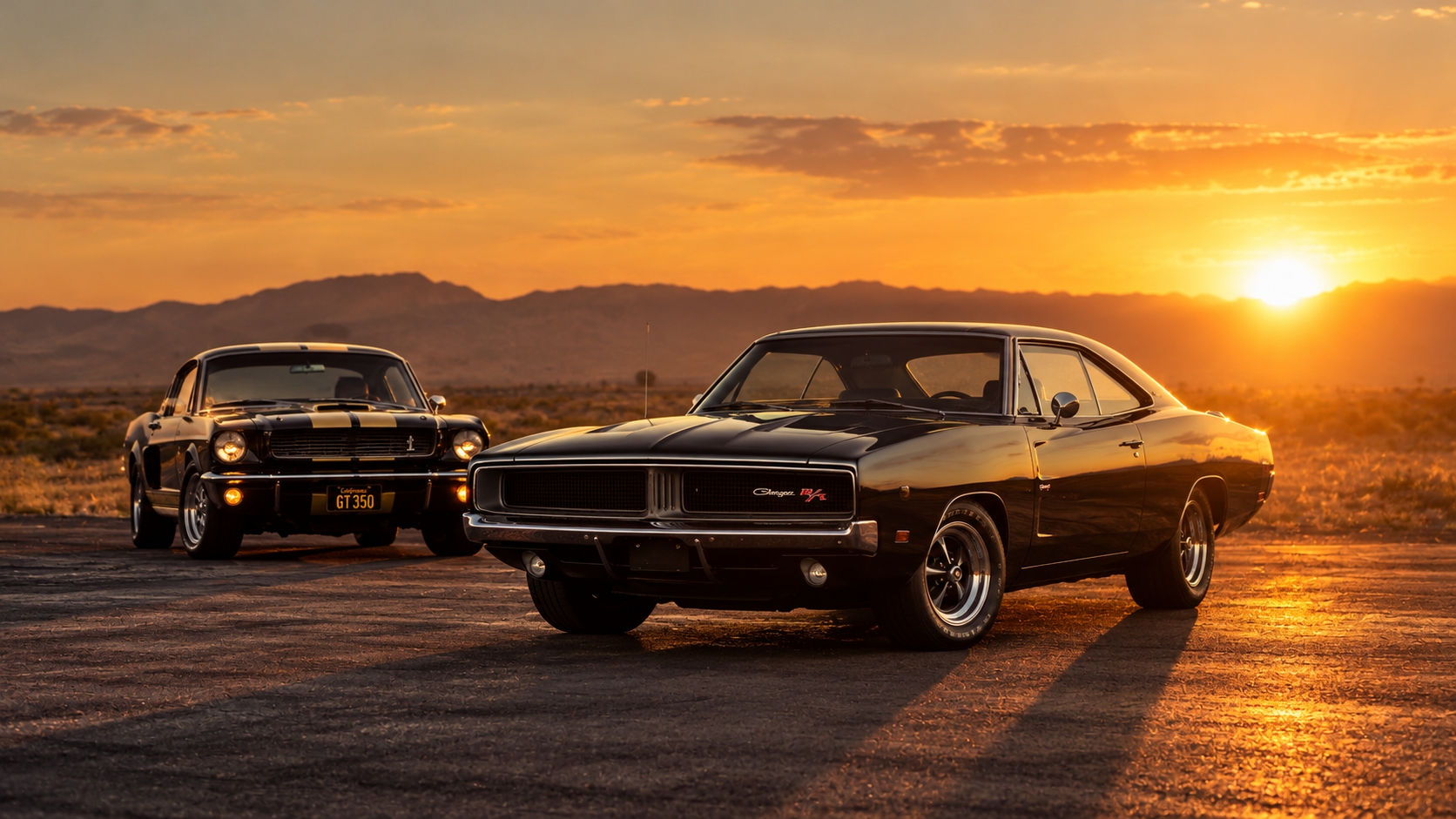
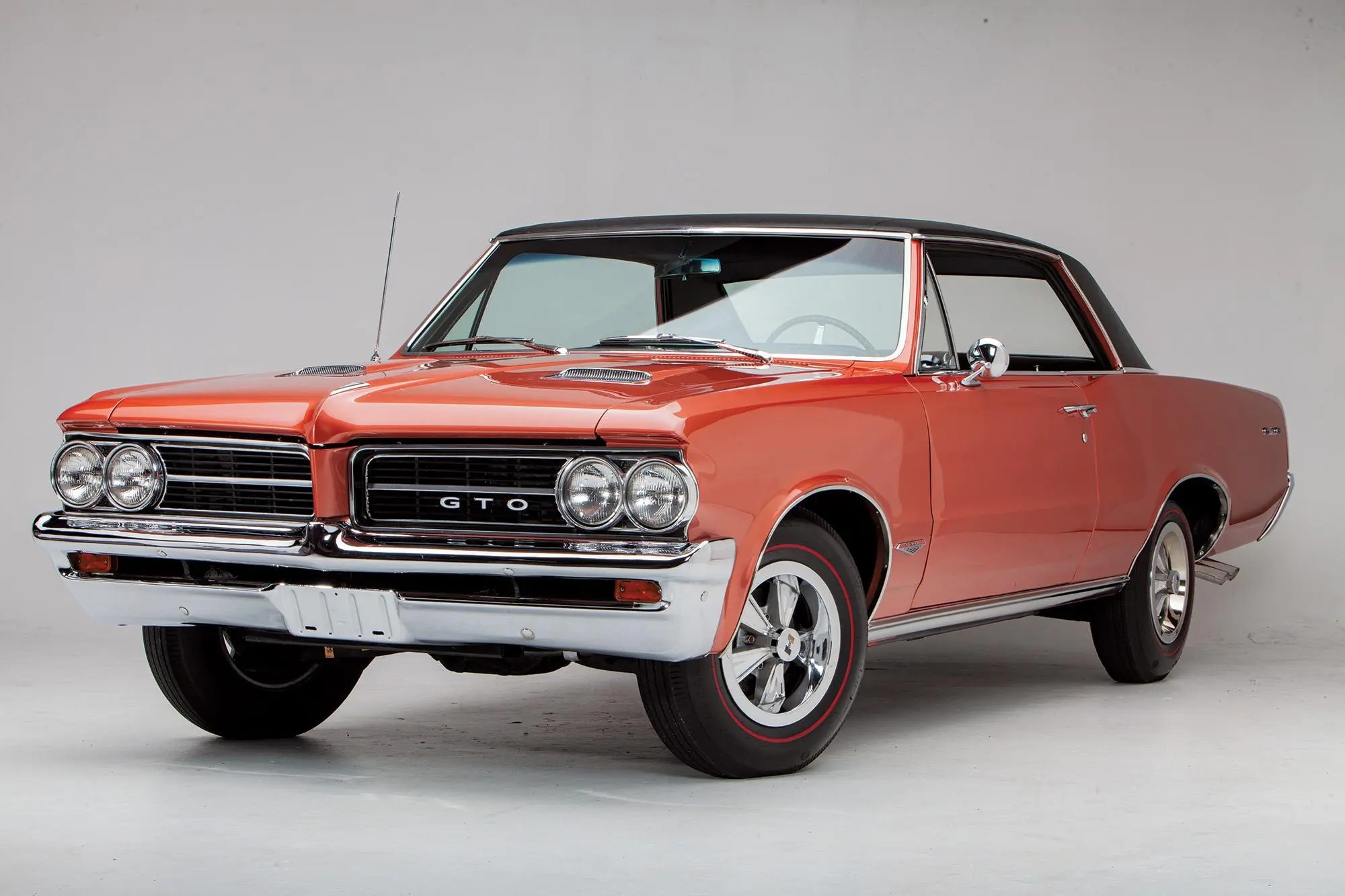
In the 1960s, a completely new subculture formed in the United States that changed the direction of the car world forever. At the heart of this huge movement were two iconic concepts: "Muscle Car" and "Pony Car," which later completely took over the vocabulary of car enthusiasts.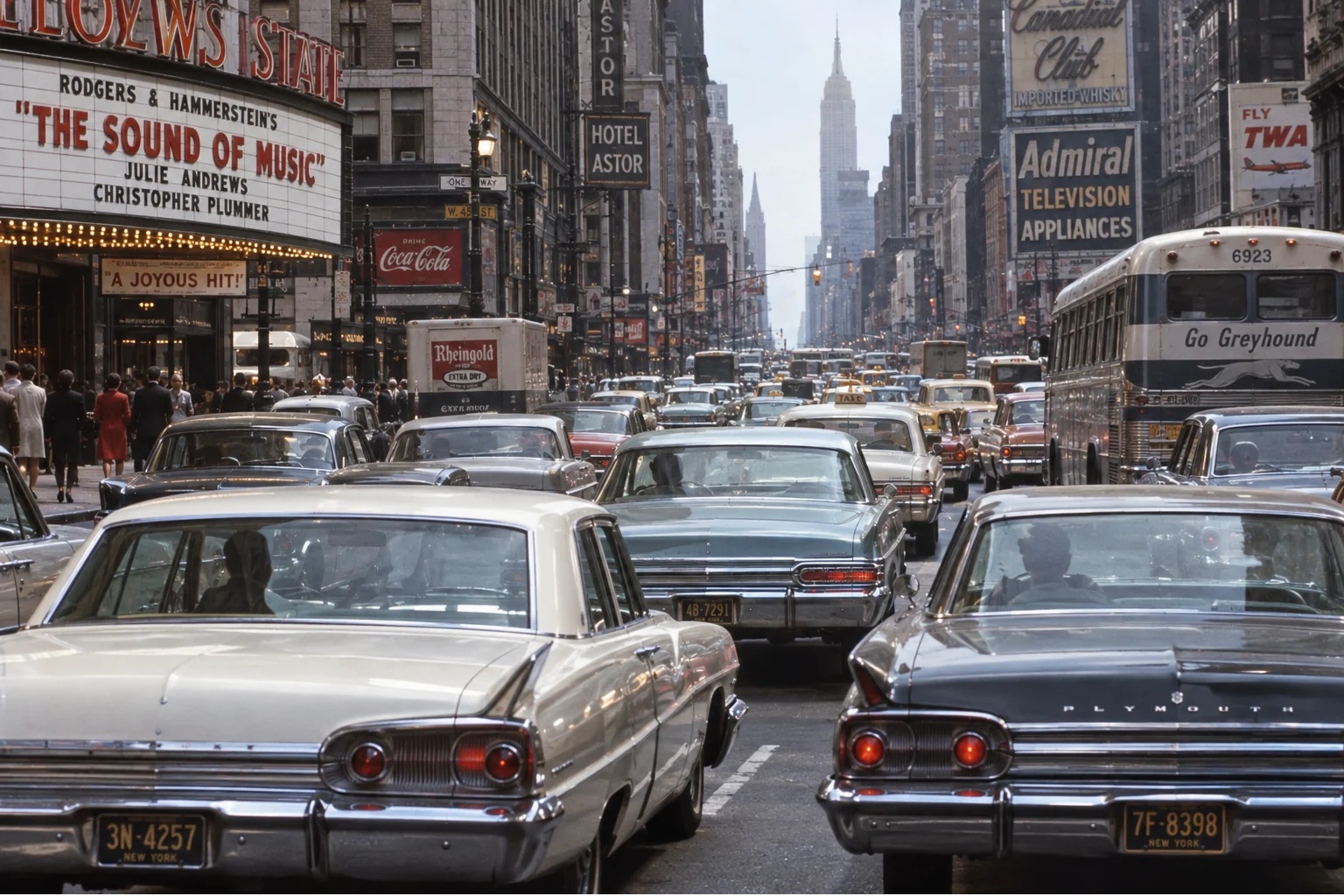 The true creator and father of the "Muscle Car" was the brilliant engineer and entrepreneur, John DeLorean. In 1964, a team at General Motors led by DeLorean developed a brand-new formula for success: they fitted a budget-friendly Pontiac Tempest with a 348-horsepower, 6.4-liter V8 engine and a four-speed manual transmission. Along with this massive power, they also significantly improved the car's suspension system. Just like that, out of nowhere, the iconic Pontiac GTO was born. Its abbreviation stood for Gran Turismo Omologato, a name borrowed from the Italians.
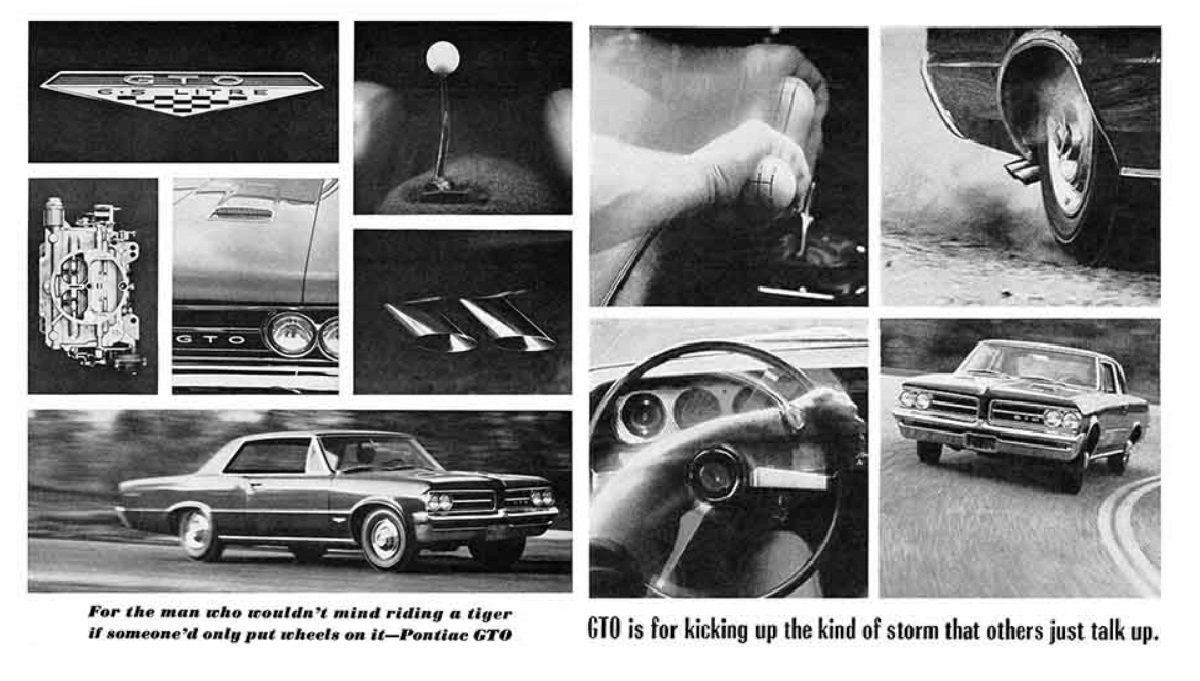 At first, General Motors planned to produce only 5,000 units a year, but the project received such a huge response that 32,450 Pontiac Tempest GTOs were sold in the very first year. The factory was practically working at its limit to keep up with demand. The car's price at the time was $3,377.91. This bold move by DeLorean launched the golden age of the muscle car in America. In the 1960s, a gallon of gas cost just 30 cents, so potential buyers didn't really care about fuel consumption their main demands were speed, an aggressive look, and affordability, as imported European sports cars were out of reach for average young Americans and were seen as toys for the rich.
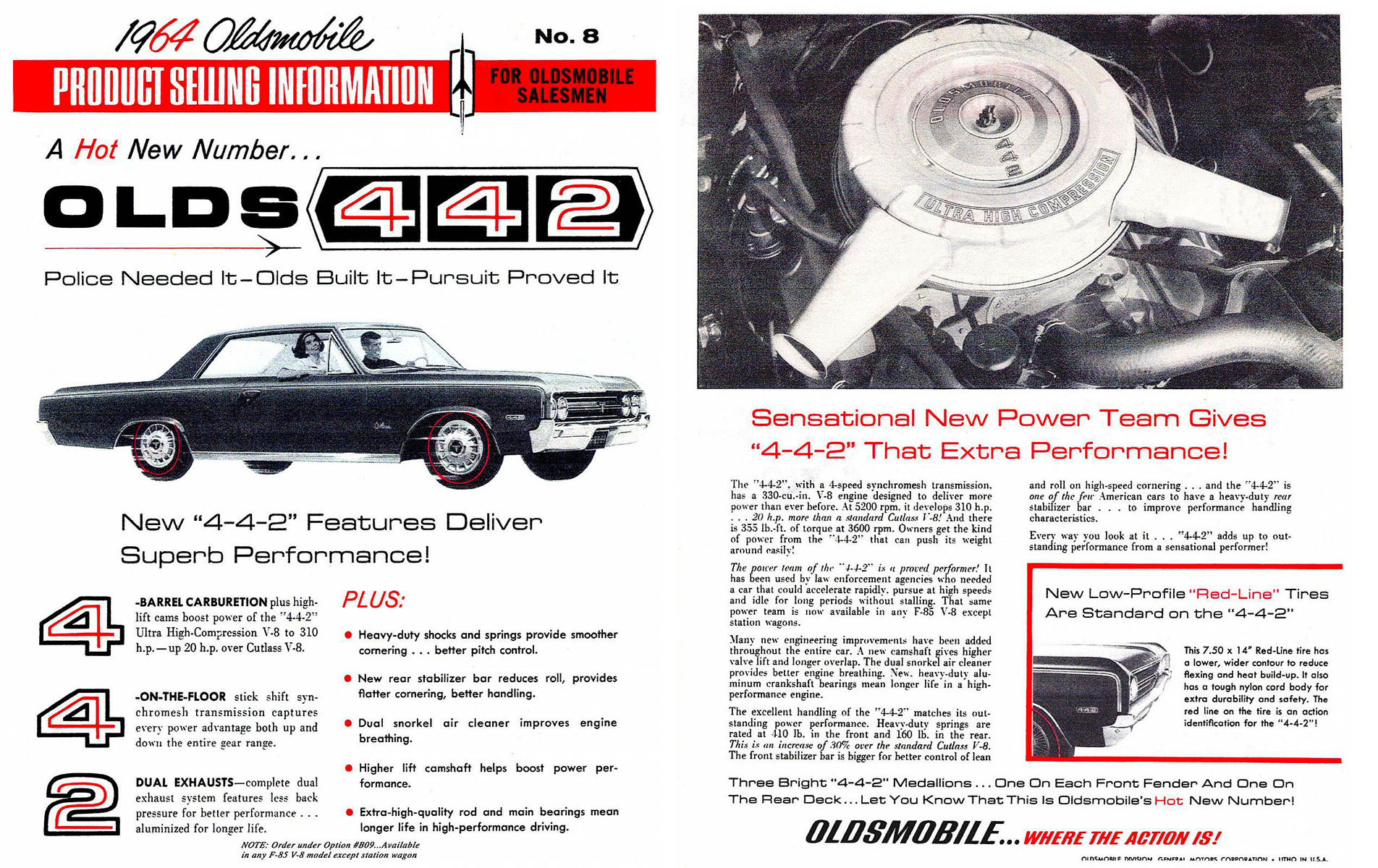
 Of course, rivals in Detroit weren't sitting around doing nothing; everyone wanted to build a model that could go head-to-head with the Pontiac GTO. That's why, in 1964, models like the Ford Fairlane GT, Dodge Coronet R/T, Oldsmobile 442, and Chevrolet Chevelle SS appeared on the market one after another.
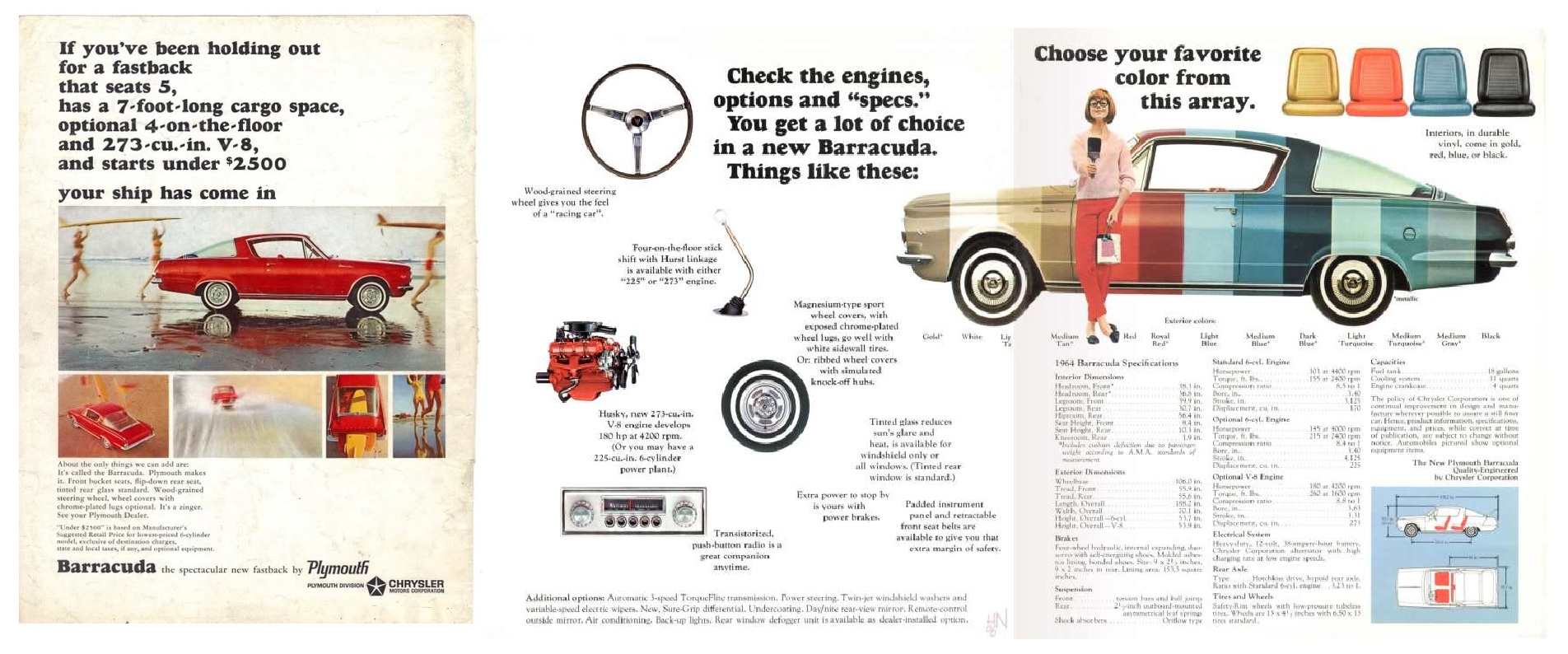 However, another major revolution was brewing in the compact car segment. On April 1, 1964, American customers saw a compact fastback: the Plymouth Barracuda. Thanks to its stylish design, smaller size, and good fuel economy, Plymouth captured the hearts of young people very quickly. Their slogan was as simple and direct as the car itself: "For people of all ages and interests." The base Barracuda cost $2,500 and was available with three types of engines, including Chrysler Slant-6 and LA 273 V8 units.
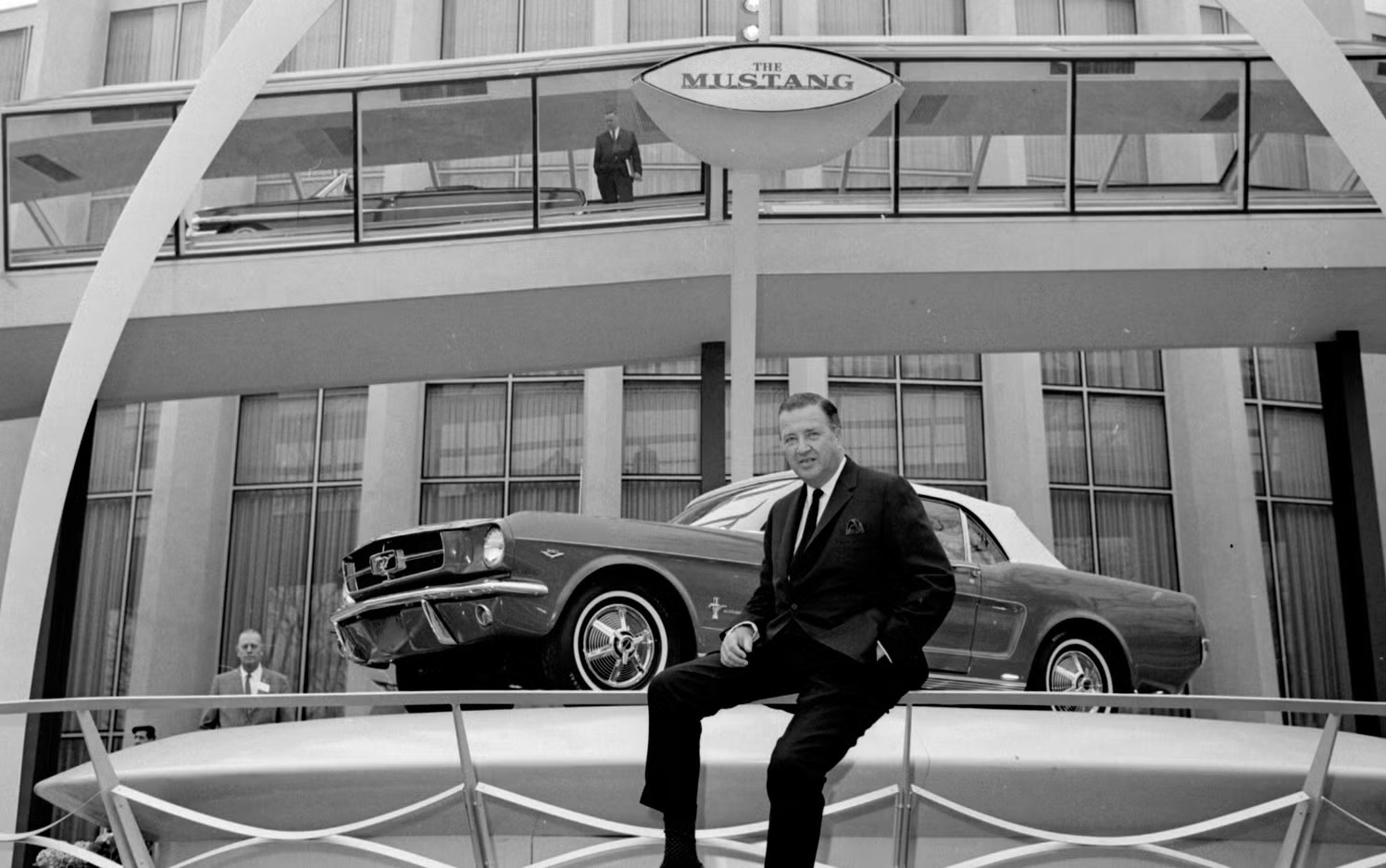
 Things moved extremely fast after that. Just 16 days after the Barracuda's debut, the world celebrated the birth of the most iconic pony car model. On April 17, 1964, the Ford Mustang debuted. The base model price was $2,368, and 22,000 units were sold on the very first day. John Najjar, Philip T. Clark, and Joe Oros worked on the Mustang's legendary design. The Mustang set completely new standards in the industry: the pony car was cheaper, compact, trendy, and fast enough at the same time. In the 60s, the base model price ranged from $2,330 to $2,557. It weighed just 1,162 kilograms and was 536 millimeters shorter than the Pontiac GTO muscle car.
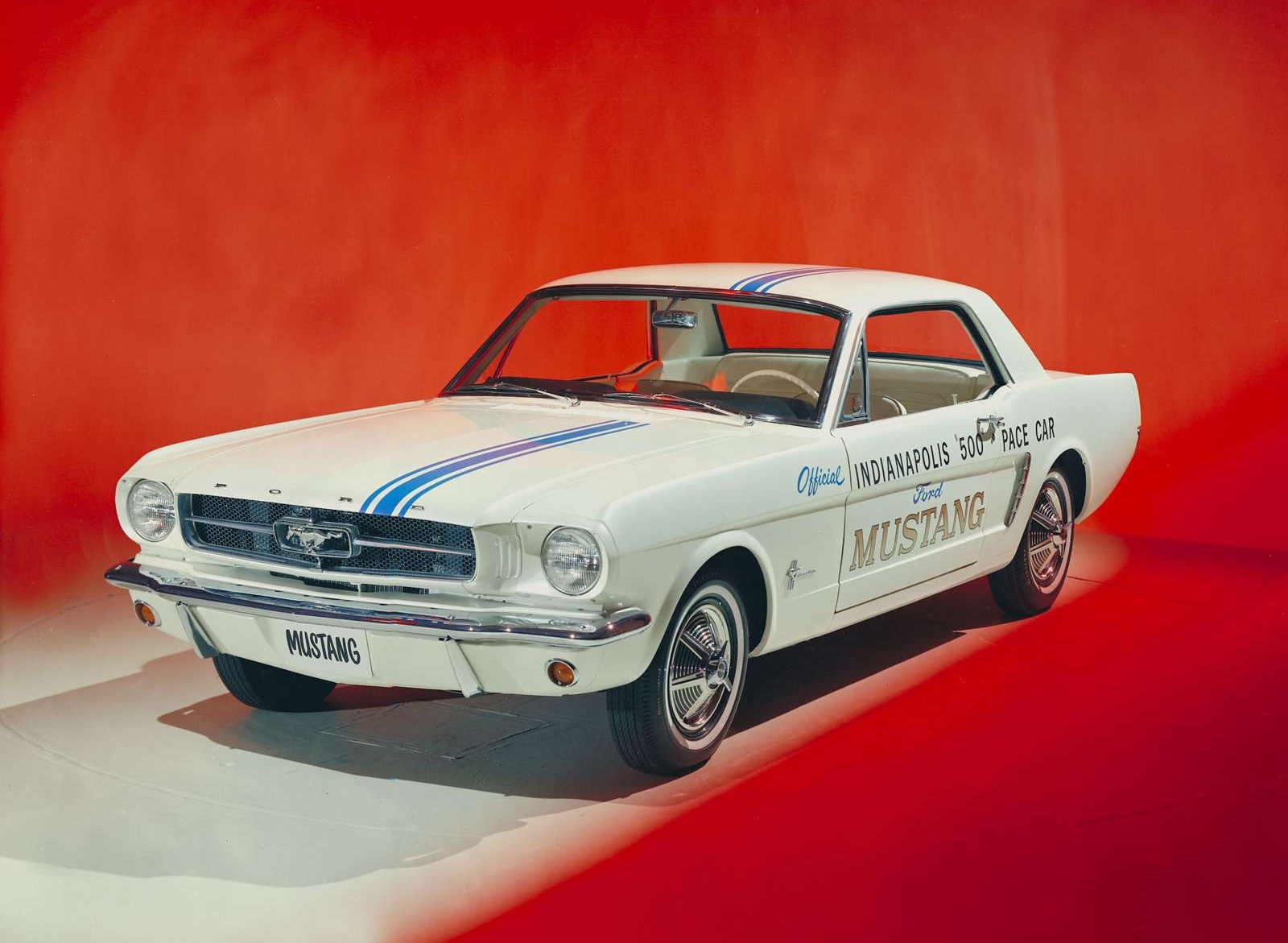
 Initially, the Mustang was available with Thriftpower six-cylinder and Windsor V8 engines. Exactly one year later, in 1965, Ford created the new GT option package, which cost $158 more than the base model and offered both strong standard engines and, for an extra fee, the Windsor HiPo V8 engine.
 In this way, the "Muscle Car" appeared first on the American auto market, followed by the compact "Pony Car." The main difference between these two terms is that a pony car has a relatively compact, unibody construction and features a refined, elegant, and dynamic design. On the other hand, a muscle car is a mid-size or full-size vehicle built on a body-on-frame platform, featuring an aggressive exterior and, most importantly, a large-displacement V8 engine.
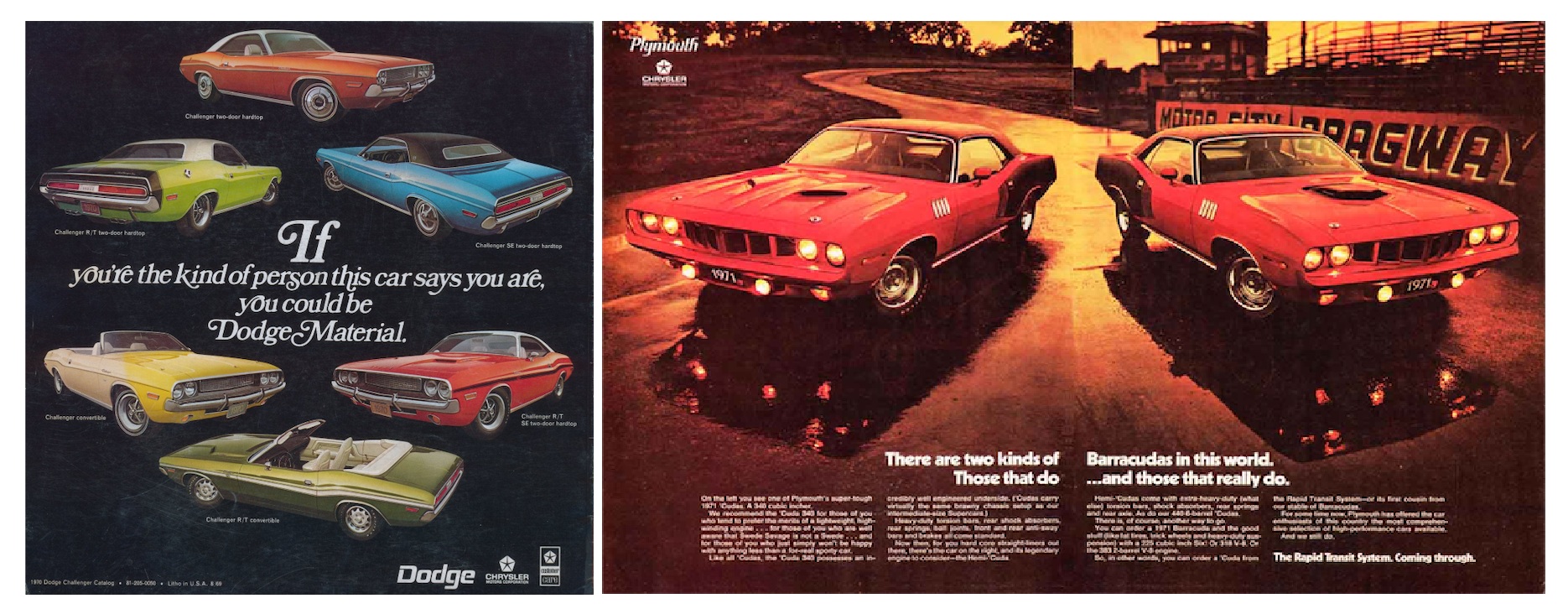 The late 1960s and early 1970s are considered the golden age for both muscle cars and pony cars. However, this magical era came to a sudden stop. In 1973, OPEC oil-producing countries refused to supply oil to states that supported Israel. As a result, world oil prices quadrupled, pushing the global economy into a deep recession. The catastrophic rise in fuel prices and new environmental rules made powerful V8 engines impractical. Nobody cared about muscle and pony cars anymore, while demand for economical and small cars grew in the blink of an eye.
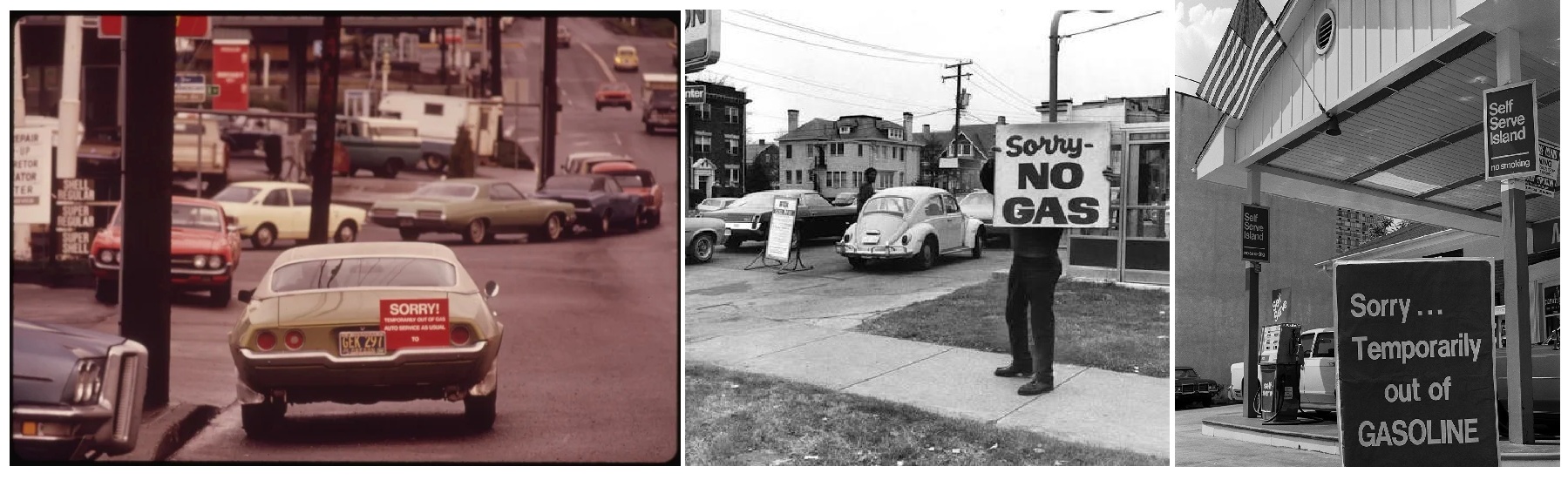 Even though the 1973 oil crisis brought the golden age of American muscle cars to a sudden end, the phenomenon of muscle and pony cars left an unforgettable mark on the global automotive industry.