Georgian
 English
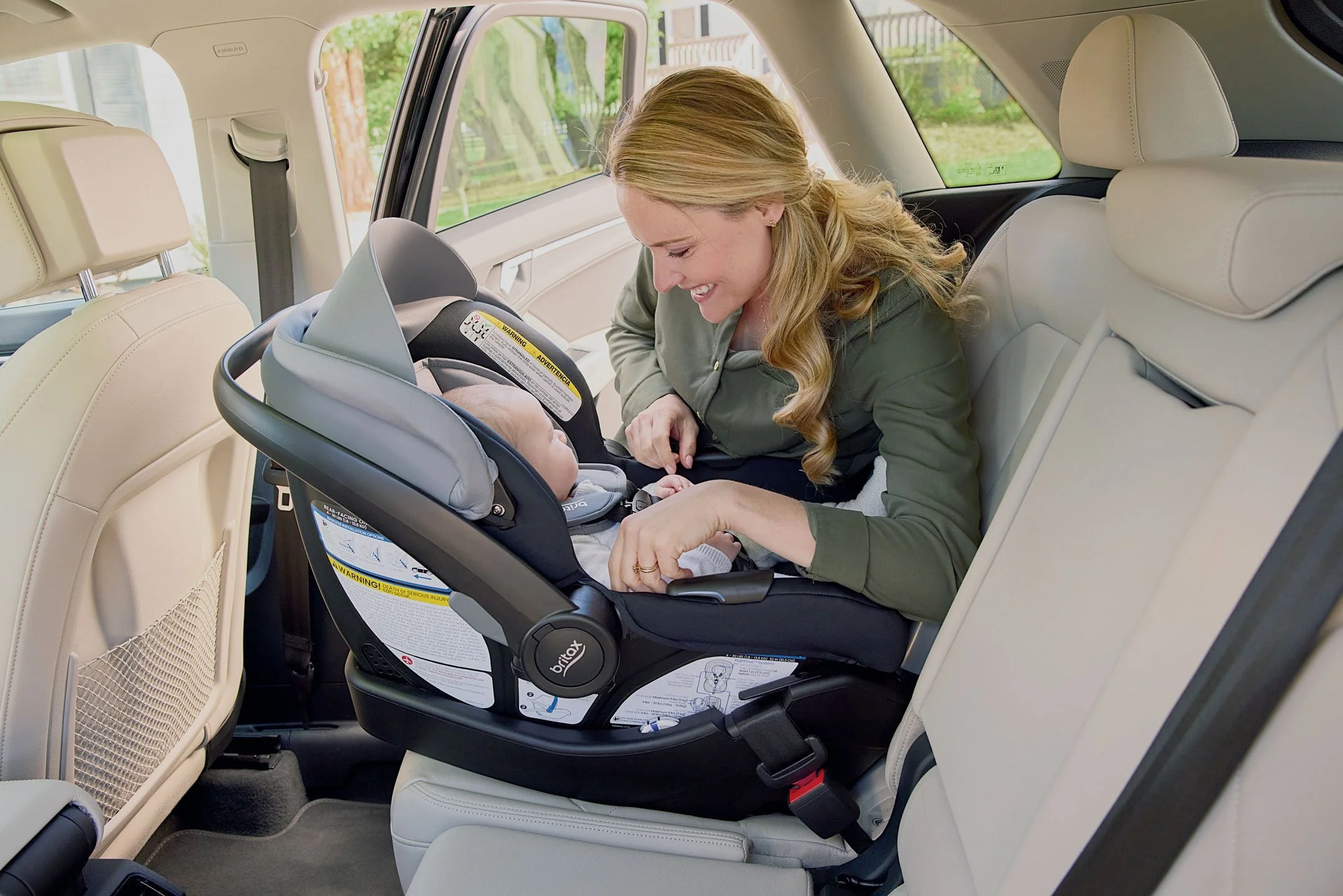
An old car seat in the back of your car that looks completely fine may not be as safe as you think. A child car seat can look good for years, with no cracks, clean straps, and working buckles, yet still have a date on the label saying you should stop using it. At first, it sounds strange that something made to protect a child becomes unsafe just because a few years have passed.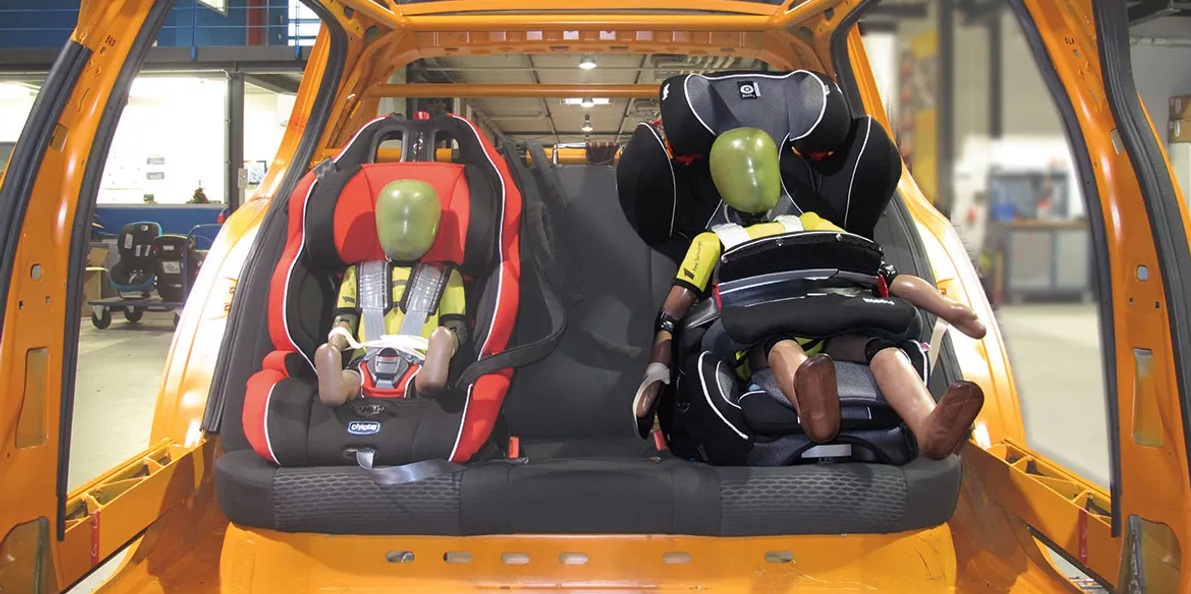 The reason is not that the seat suddenly stops working on one specific day. In reality, its materials, parts, and safety rules only last for a limited time. Changing temperatures inside the car, hot summers, cold winters, sunlight, everyday use, and newer safety rules all affect it over time.
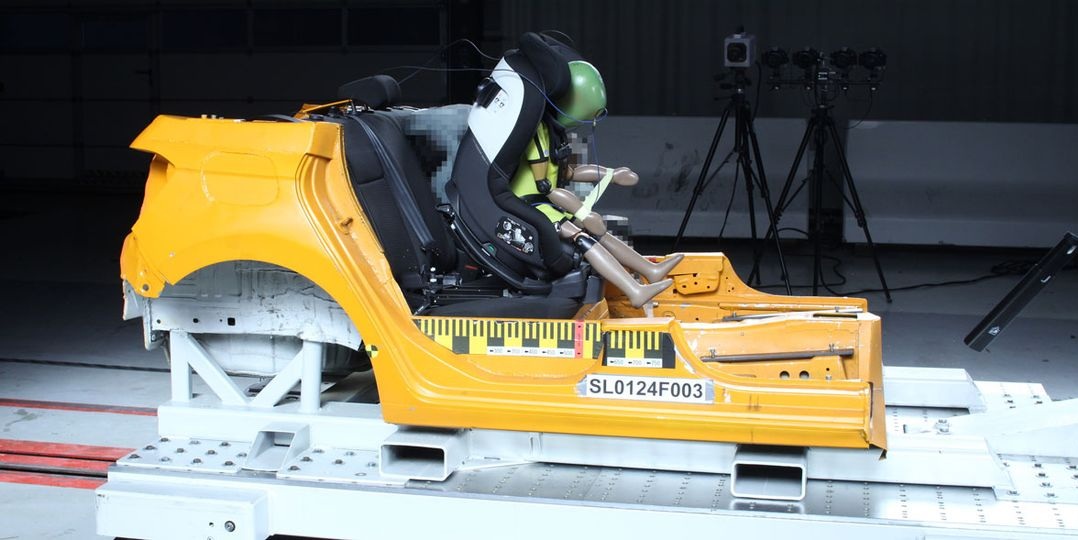 Unlike a toy or a piece of furniture, a car seat is safety equipment that has to work in a crash. It needs to hold the child in place and lower the force on a small body, so the plastic shell, straps, buckles, foam, and other parts must work the way they were made to. Most makers give their car seats a limited life. In the United States, many models last about six to ten years, though the exact limit depends on the brand and model. Some makers count from the date the seat was made, while others print a clear date after which you should not use it.
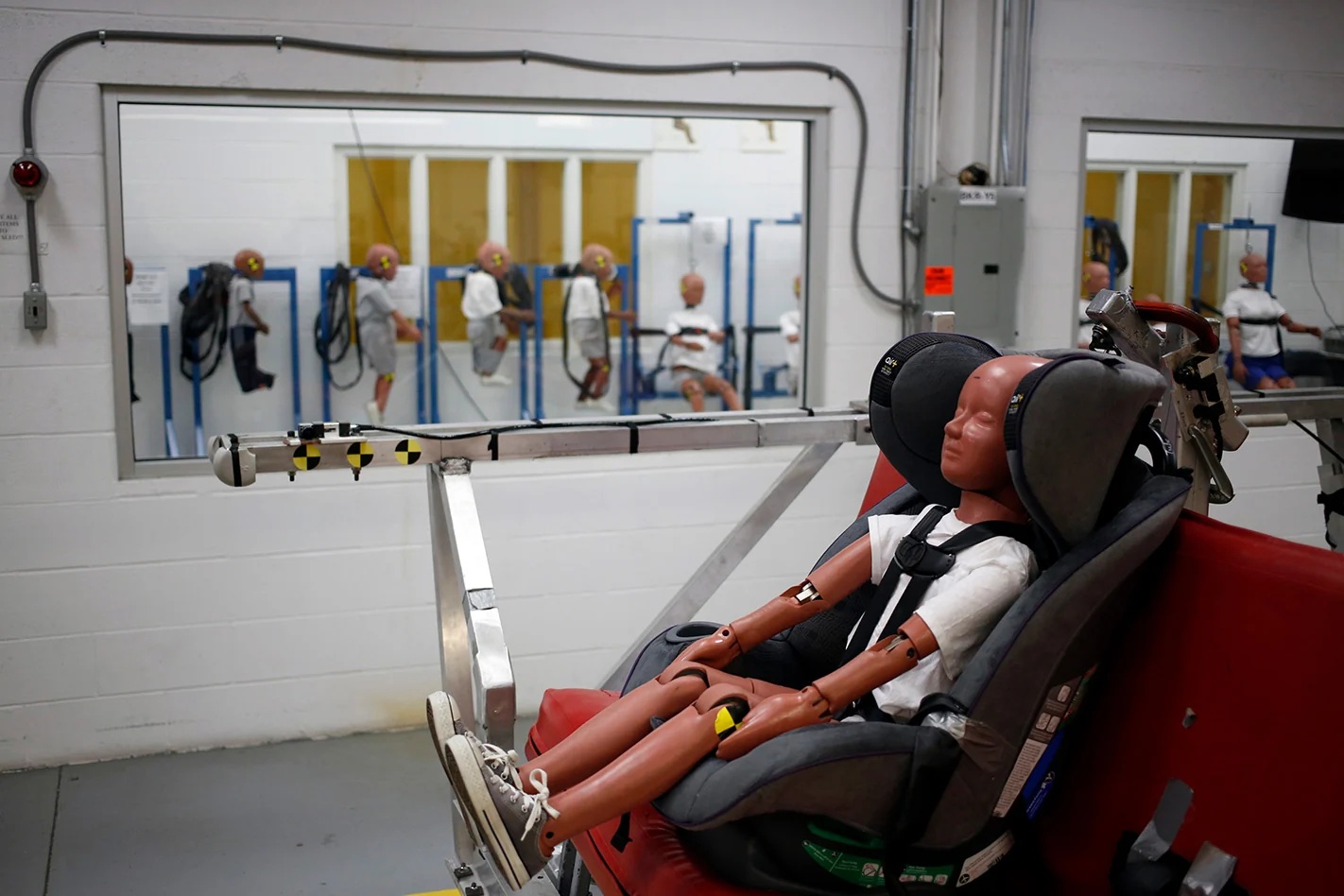 Over time, the plastic and foam change, even when you cannot see any cracks on the surface. Hot and cold car temperatures and sunlight can make materials weaker or less able to absorb energy. At the same time, people pull and rub the straps many times, and dust or spilled drinks get into the buckles and adjusters. Safety rules and technical standards also improve over the years, so an older design may no longer match today's requirements. - Road safety numbers show how important a working, proper seat is. The National Highway Traffic Safety Administration estimates that car seats lower the risk of fatal injury in passenger cars by 71% for babies under one year old and by 54% for children aged one to four, while in light trucks and SUVs the numbers are 58% and 49%. According to the same agency's 2024 data, among the 1,032 children under 14 who died in traffic crashes where restraint use was known, 39% were not buckled up or in a car seat at all.
 That is why it matters so much that the seat is not expired, is put in the car properly, and fits the child's height and weight. Looking clean and undamaged cannot replace a safe design that is still within its time limit when a child's safety is on the line. - Before you buy or borrow a child car seat, do not judge it only by how it looks. Check the manufacturing date or last-use date on the body or label as soon as you can, and ask about its history and how it was stored. If it is past its date or you have doubts about its past, do not use it.